
If you will it, it is no dream
אם תרצו, אין זו אגדה

Technology and E-Safety

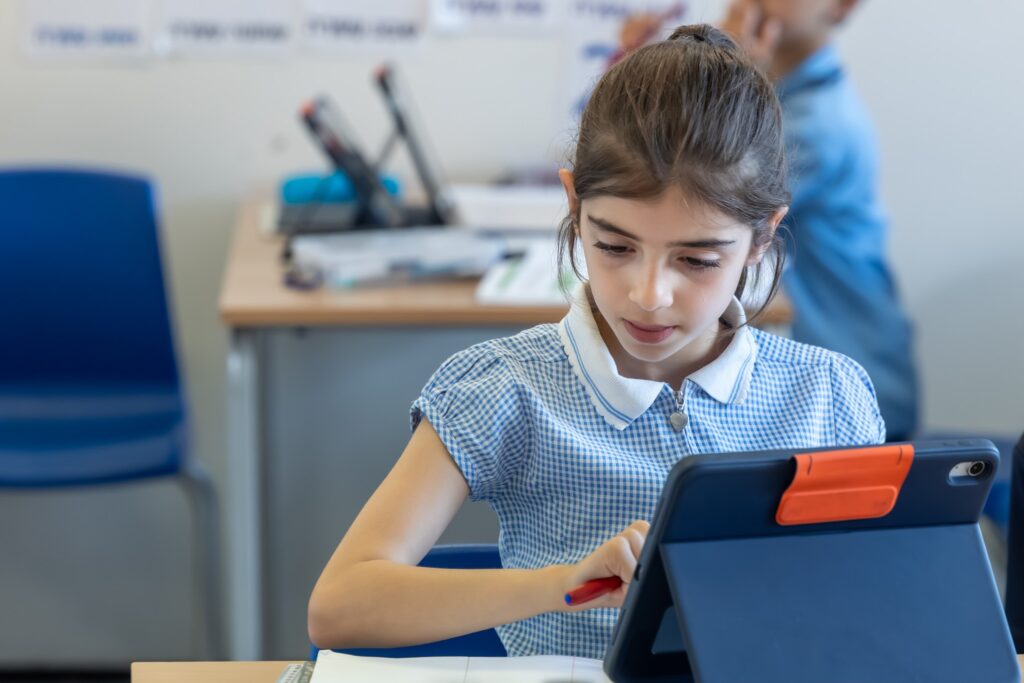
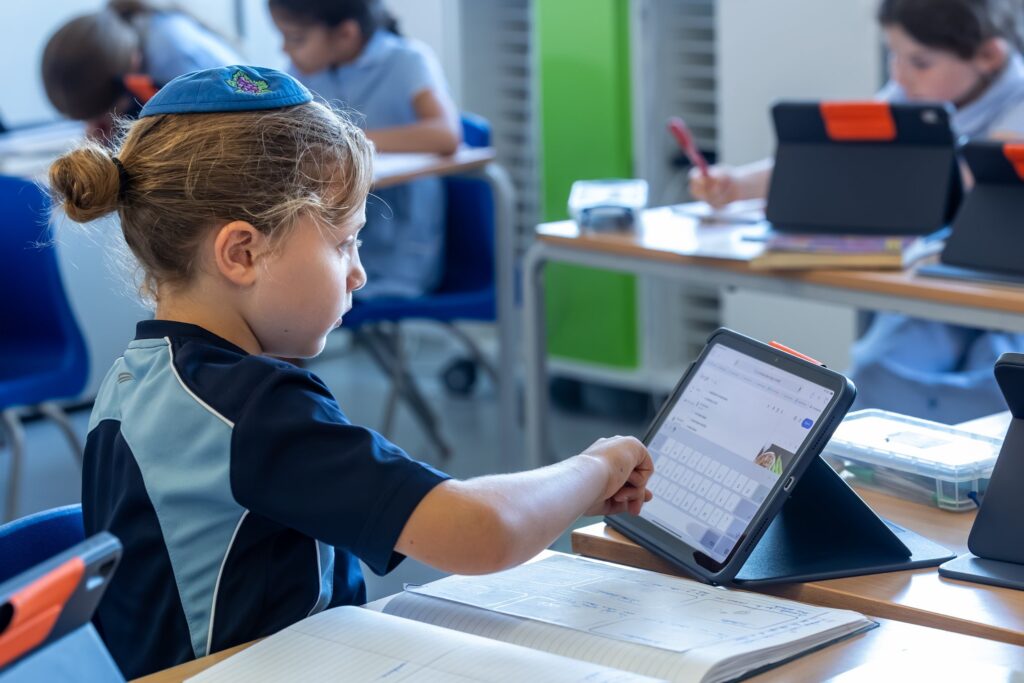
At Kerem, technology is used thoughtfully to enhance learning — never to replace great teaching. Pupils from Years 3–6 benefit from individual iPads, while younger children use shared devices to support their learning in age-appropriate ways.

Technology is integrated across the curriculum, enabling pupils to research, create, collaborate and develop digital confidence. Dedicated Computing lessons build essential skills such as coding, online research and digital presentation, while classroom use helps pupils take greater ownership of their learning.

The effectiveness of our approach was recognised in our most recent ISI inspection, which praised the imaginative and productive use of tablet technology to enhance individualised pupil learning.
As one of our pupils noted, “Having my own iPad means I can take control of my own learning at my own pace.”

Why iPads?

We choose iPads because they enhance learning in practical and creative ways. From maths and reading apps to Ivrit and Jewish Studies tools, technology supports subject knowledge in engaging, interactive formats.

Beyond subject-specific learning, pupils use their iPads to research, write, present, collaborate and communicate — developing the digital fluency they will need in secondary school and beyond.

Used thoughtfully and with clear guidance, technology helps pupils become motivated, independent learners while maintaining high academic standards across the spectrum of ability.

E-Safety

Just as importantly, we place strong emphasis on e-safety. Children are taught how to use technology responsibly, understand online risks and develop healthy digital habits — skills that are vital in today’s world.

It is really important that everyone knows how to stay safe online. Kerem provides the following information for you and your children.

Stay Safe Online by remembering the SMART rules.

  • Be Safe – keep your personal information safe and secret. Think carefully before you share a photo of yourself or your friends.
  • Don’t Meet Up – never arrange to meet an online friend because it can be dangerous. No matter how well you think you know people, they might be pretending.
  • Accepting Emails Can Be Dangerous – if you receive junk mail (called spam) or messages that make you feel uncomfortable, tell an adult that you trust and delete them. Don’t reply to them.
  • Reliable – the internet is full of friendly people and amazing information. However, sometimes people might say or write things which are untrue, so you should always think carefully before trusting what you see or hear.
  • Tell Someone – most of the time that you are online, you will have lots of fun. However, if you see anything that makes you feel uncomfortable or worried, make sure that you tell an adult that you trust.

There are lots of excellent websites out there with masses of information and games to help you stay safe. Here are just a selection:

Technology & iPads – Frequently Asked Questions

What is Kerem’s approach to technology?

Technology is used thoughtfully to enhance learning — never to replace excellent teaching. iPads are integrated across the curriculum to support creativity, collaboration and independent thinking.

Why does the school use 1:1 iPads in Key Stage 2?

Having individual devices allows pupils to:

  • Access personalised learning
  • Receive timely feedback
  • Collaborate in real time
  • Develop digital confidence

After many years of successful implementation, the 1:1 model remains the most effective way to embed technology meaningfully into learning.

How are iPads used in lessons?

There is no “typical” iPad lesson. They may be used to:

  • Research a topic
  • Complete interactive quizzes
  • Record and edit presentations
  • Collaborate on shared documents
  • Support Ivrit and Jewish Studies learning

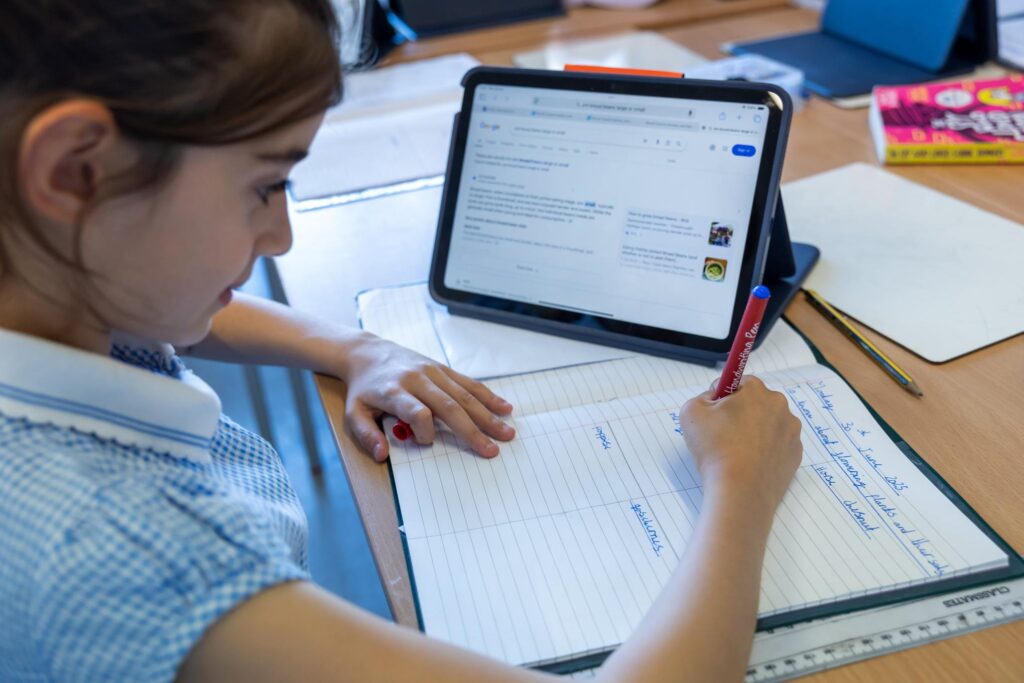
Traditional skills remain central. Handwriting, books and discussion are fundamental parts of daily learning. iPads are used only when they enhance progress.

Are pupils constantly on screens?

No. Screen time is purposeful and carefully managed. iPads are one of many tools used during the school day and are not used continuously.

Do pupils take iPads home?

iPads are normally stored securely at school. This allows us to monitor usage and maintain appropriate content controls. Devices may be taken home in specific circumstances when required for learning.

How is online safety managed?

E-safety is taken extremely seriously.

  • Internet access is filtered and monitored
  • Apps are centrally managed
  • Pupils are taught responsible digital behaviour
  • Devices are controlled to ensure appropriate content

Digital responsibility forms part of our wider safeguarding approach.

Can parents install apps?

No. All apps are managed centrally to ensure consistency, security and age-appropriate content.

What happens if a device is damaged?

Protective cases are provided to minimise accidental damage. The school has procedures in place for repair and temporary replacement where needed. Families are responsible for damage caused by misuse.

What happens when a pupil leaves Kerem?

iPads belong to the pupil and go with them once any outstanding balance has been settled.

Who should I contact with further questions?

Please contact the School Office, who will direct your query to the appropriate member of staff.

Cyberbullying

Cyberbullying has become a large issue within the primary school setting. It can affect pupils in all sorts of ways, especially their well-being. Please find guides below to help advise how to deal with cyberbullying and reminders of how to be kind online.

Parental Controls

Set Content and Privacy Restrictions

Set Content and Privacy Restrictions

  1. Go to Settings and tap Screen Time.
  2. Tap Continue, then choose “This is My [Device]” or “This is My Child’s [Device].”
    1. If you’re the parent or guardian of your device and want to prevent another family member from changing your settings, tap Use Screen Time Passcode to create a passcode. Then re-enter the passcode to confirm.
    2. If you’re setting up Screen Time on your child’s device, follow the prompts until you get to Parent Passcode and enter a passcode. Re-enter the passcode to confirm.
  3. Tap Content & Privacy Restrictions. If asked, enter your passcode, then turn on Content & Privacy.

Make sure to choose a passcode that’s different from the passcode you use to unlock your device. To change or turn off the passcode on your child’s device, tap Settings > Screen Time > [your child’s name]. Then tap Change Screen Time Passcode or Turn Off Screen Time Passcode, and authenticate the change with Face ID, Touch ID, or your device passcode.

Prevent iTunes & App Store purchases

Prevent iTunes & App Store purchases

You can also prevent your child from being able to install or delete apps, make in-app purchases, and more. To prevent iTunes & App Store purchases or downloads:

  1. Go to Settings and tap Screen Time.
  2. Tap Content & Privacy Restrictions. If asked, enter your passcode.
  3. Tap iTunes & App Store Purchases.
  4. Choose a setting and set to Don’t Allow.

You can also change your password settings for additional purchases from the iTunes & App Store or Book Store. Follow steps 1-3, then choose Always Require or Don’t Require.

Allow built-in apps and features

Allow built-in apps and features

You can restrict the use of built-in apps or features. If you turn off an app or feature, it won’t delete it, it’s just temporarily hidden from your Home screen. For example, if you turn off Mail, the Mail app won’t appear on your Home Screen until you turn it back on.


To change your Allowed Apps:

  1. Go to Settings > Screen Time.
  2. Tap Content & Privacy Restrictions.
  3. Enter your Screen Time passcode.
  4. Tap Allowed Apps.
  5. Select the apps that you want to allow.
Prevent explicit content and content ratings

Prevent explicit content and content ratings

You can also prevent the playback of music with explicit content and movies or TV shows with specific ratings. Apps also have ratings that can be configured using content restrictions.

To restrict explicit content and content ratings:

  1. Go to Settings and tap Screen Time.
  2. Tap Content & Privacy Restrictions, then tap Content Restrictions.
  3. Choose the settings you want for each feature or setting under Allowed Store Content.

Here are the types of content that you can restrict:

  • Ratings For: Select the country or region in the ratings section to automatically apply the appropriate content ratings for that region
  • Music, Podcasts & News: Prevent the playback of music, music videos, podcasts, and news containing explicit content
  • Music Profiles & Posts: Prevent sharing what you’re listening to with friends and seeing what they’re listening to
  • Movies: Prevent movies with specific ratings
  • TV shows: Prevent TV shows with specific ratings
  • Books: Prevent content with specific ratings
  • Apps: Prevent apps with specific ratings
Restrict Game Center

Restrict Game Center

To restrict Game Center features:

  1. Go to Settings and tap Screen Time.
  2. Tap Content & Privacy Restrictions, then tap Content Restrictions.
  3. Scroll down to Game Center, then choose your settings.

You can restrict these Game Center features:

  • Multiplayer Games: Prevent the ability to play multiplayer games
  • Adding Friends: Prevent the ability to add friends to Game Center
  • Screen Recording: Prevent the ability to capture the screen and sound
Prevent web content

Prevent web content

iOS can automatically filter website content to limit access to adult content in Safari and apps on your device. You can also add specific websites to an approved or blocked list, or you can limit access to only approved websites. Follow these steps:


  1. Go to Settings > Screen Time.
  2. Tap Content & Privacy Restrictions and enter your Screen Time passcode.
  3. Tap Content Restrictions, then tap Web Content.
  4. Choose Unrestricted Access, Limit Adult Websites, or Allowed Websites Only.

Depending on the access you allow, you might need to add information, like the website that you want to restrict.

Allow changes to privacy settings

Allow changes to privacy settings

The privacy settings on your device give you control over which apps have access to information stored on your device or the hardware features. For example, you can allow a social-networking app to request access to use the camera, which allows you to take and upload pictures.

To allow changes to privacy settings:

  1. Go to Settings and tap Screen Time.
  2. Tap Content & Privacy Restrictions. If asked, enter your passcode.
  3. Tap Privacy, then choose the settings you want to restrict.

Here are the things you can restrict:

  • Location Services: Lock the settings to allow apps and websites to use location
  • Contacts: Prevent apps from accessing your Contacts
  • Calendars: Prevent apps from accessing your Calendar
  • Reminders: Prevent apps from accessing your Reminders
  • Photos: Prevent apps from requesting access to your photos
  • Bluetooth sharing: Prevent devices and apps from sharing data through Bluetooth
  • Share My Location: Lock the settings for location sharing in Messages and Find My Friends
  • Microphone: Prevent apps from requesting access to your microphone
  • Speech Recognition: Prevent apps from accessing Speech Recognition or Dictation
  • Advertising: Prevent changes to advertising settings
  • Media & Apple Music: Prevent apps from accessing your photos, videos, or music library
Allow changes to other settings and features

Allow changes to other settings and features

You can allow changes to other settings and features, the same way you can allow changes to privacy settings.

  1. Go to Settings and tap Screen Time.
  2. Tap Content & Privacy Restrictions. If asked, enter your passcode.
  3. Under Allow Changes, select the features or settings you want to allow changes to and choose Allow or Don’t Allow.

Here are some features and settings you can allow changes for:

  • Passcode Changes: Prevent changes to your passcode.
  • Account Changes: Prevent changes to settings for Accounts & Passwords
  • Cellular Data Changes: Prevent changes to cellular data settings
  • Volume Limit: Prevent changes to volume settings for safe listening
  • Do Not Disturb While Driving: Prevent changes to Do Not Disturb While Driving
  • TV Provider: Prevent changes to TV provider settings
  • Background App Activities: Prevent changes to whether or not apps run in the background.

Wraparound Care

We offer a wide range of after-school clubs, sports activities and wraparound care designed to offer flexible support to our families and lots of fun for our pupils!
Explore